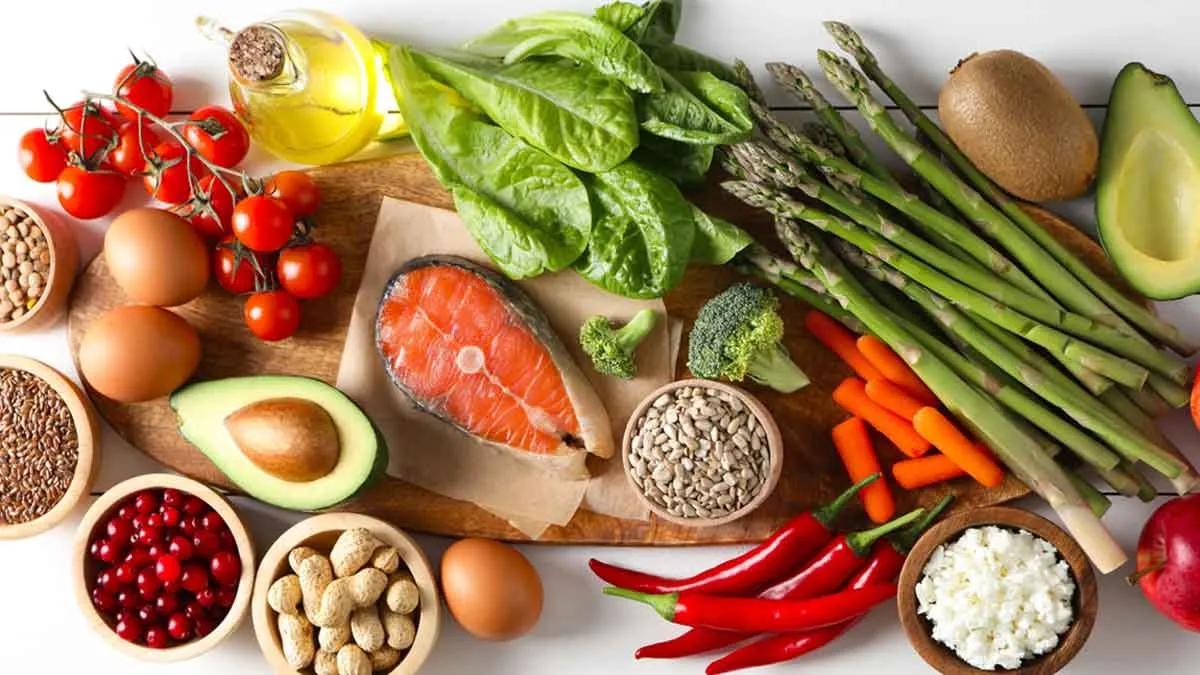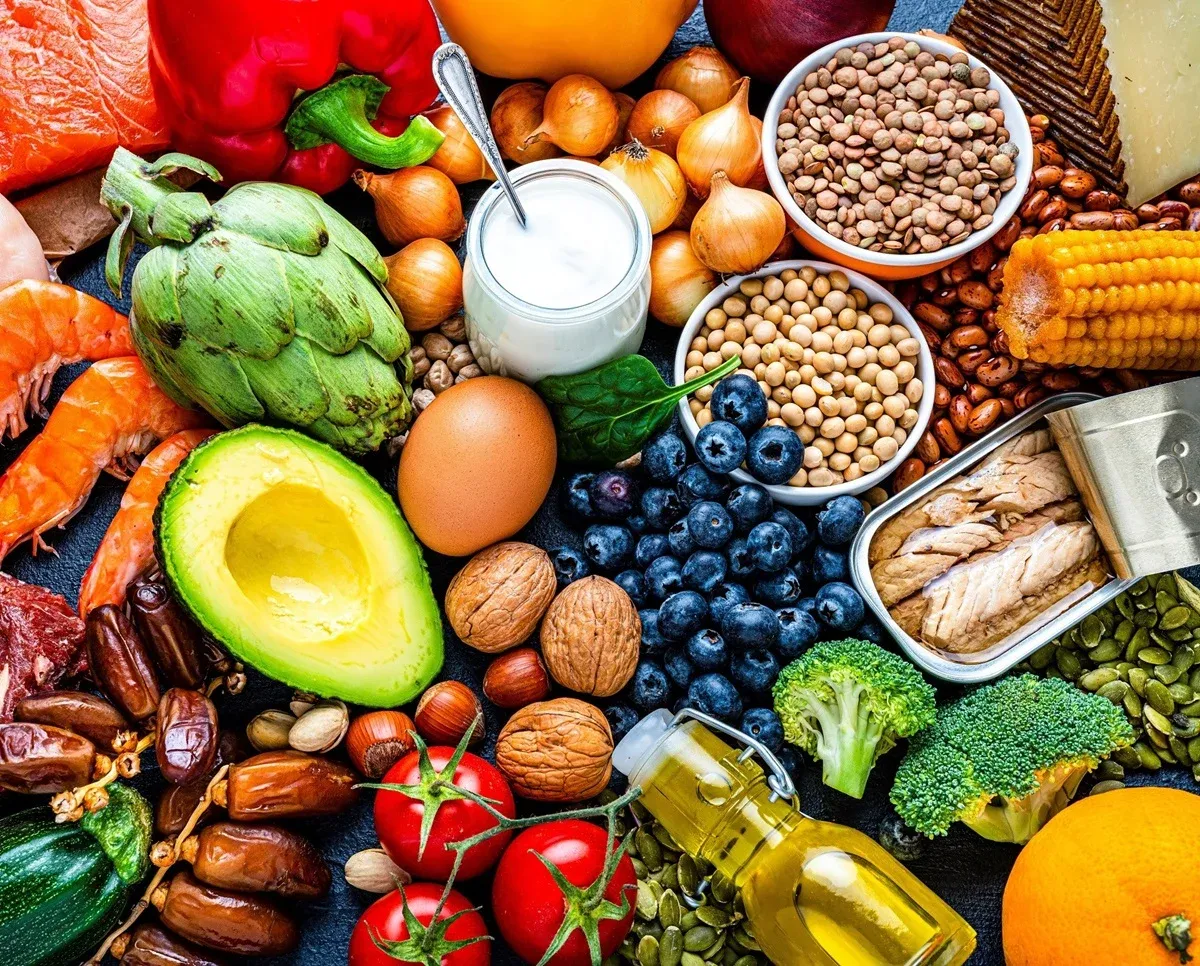
Why collage thinking helps
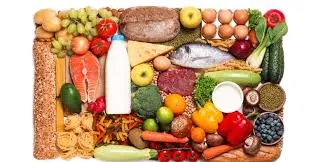
Like a magazine spread, variety is easier to picture when textures and tones sit side by side. We map what you already enjoy, then look for adjacent options.
Observations first
Sessions begin with what you notice at home: repetition, curiosity, or simple boredom. We avoid prescriptive lists and keep the focus on exploration.
Ferments, grains, and seasonal produce may appear in examples, always as neutral illustrations rather than directives.
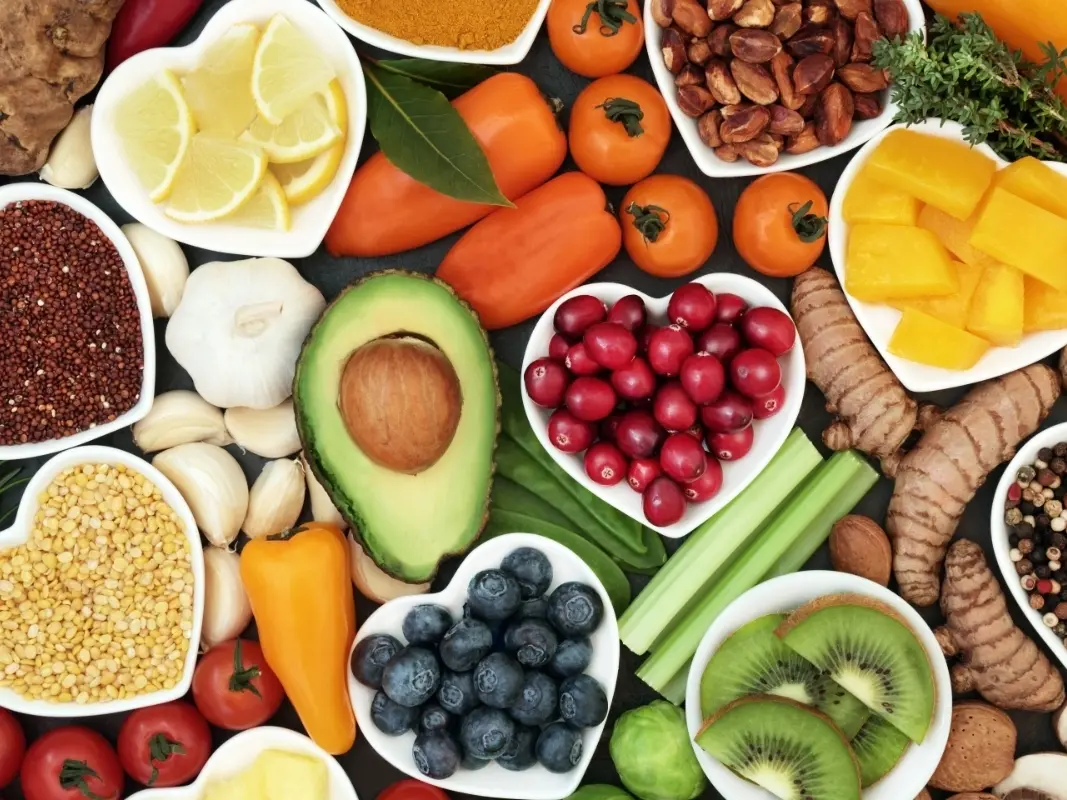
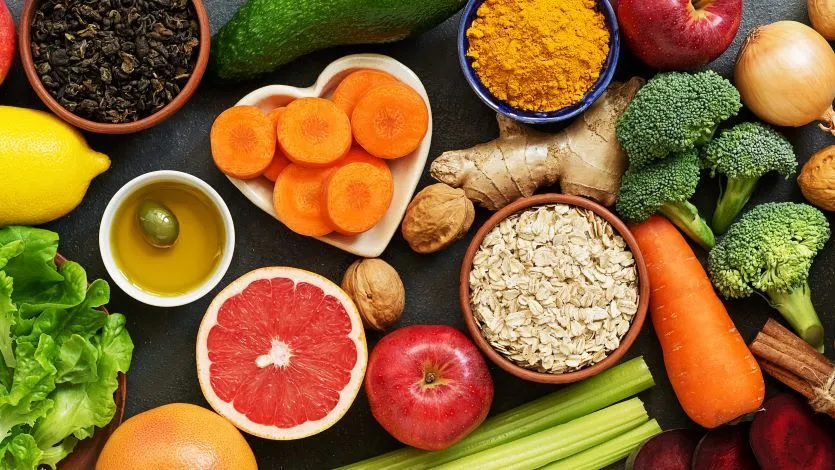
Asymmetric grids, steady guidance
Layouts shift between wide photography and narrow copy blocks. The idea mirrors how meals rarely line up perfectly—and that is acceptable.
Tools you can try online
The Hues page suggests ingredients when you want a certain color. Pantry offers a ten-item checklist with a simple variety readout. Flavor charts map taste zones; Layers adds motion to the idea of abundance.
Open the pantry checklist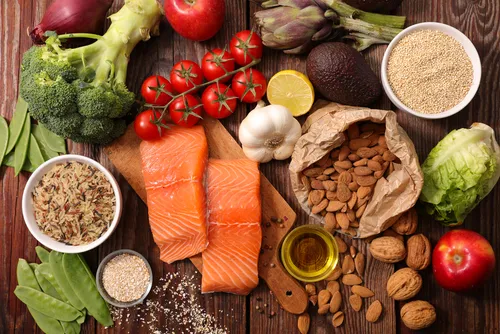
Signals we watch for
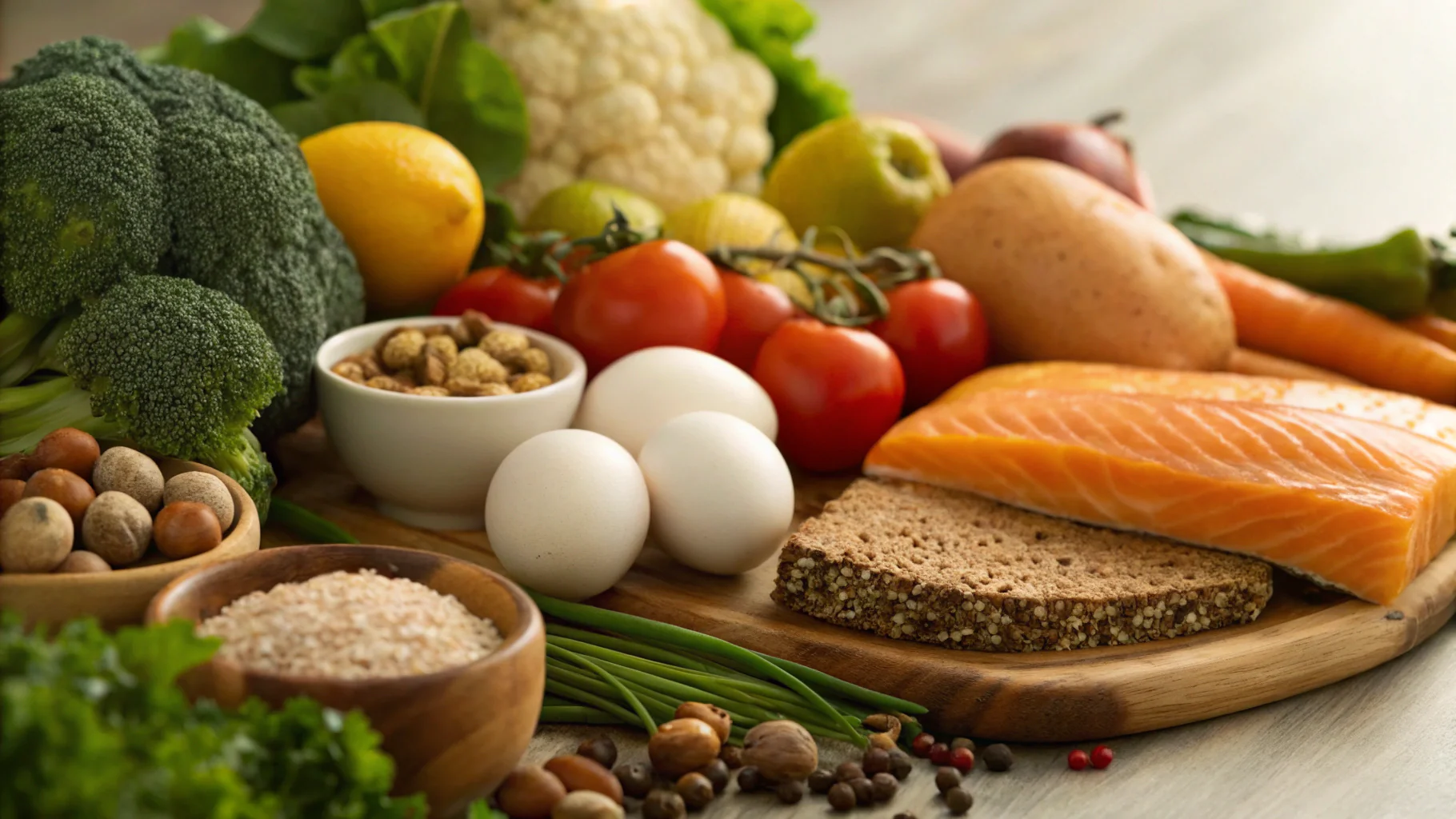
Monochrome weeks, skipped textures, or habits that feel stuck. We describe what we see in calm wording—no fear framing, no promises about outcomes.
- Color spread across produce aisles
- Alternate protein sources where desired
- Cooking methods that vary heat and time